01
High-rate discharge chemistry
The NCM-Si/Gr system holds its voltage plateau under pulse loads, avoiding voltage sags during joint motion.


Robotics
High-rate discharge and long runtime in a tightly constrained space
350
Cell energy density Wh/kg
10s
Peak pulse discharge
39
Rated cell capacity Ah
Semi-solid-state high-rate cells and compact pack designs for humanoid robots, quadruped robots and intelligent equipment, balancing peak power against overall mass distribution.
Robots demand something quite different from other applications: joint motors can draw several times the average current in an instant, while the space left for the battery is often an irregular cavity inside the torso. This solution centres on high-rate semi-solid-state cells that meet both peak power and runtime within a limited volume, with mass distribution tuned to reduce the posture compensation cost of walking and manipulation.
We also advise on charge and discharge strategy to extend cycle life under frequent start-stop duty.
The NCM-Si/Gr system holds its voltage plateau under pulse loads, avoiding voltage sags during joint motion.
Module shape and cable exits follow the robot cavity so the available volume is fully used.
Charging window recommendations for frequent shallow cycling slow down capacity fade.

The main pack sits in the torso and must fit capacity and cooling paths into a very shallow envelope.

Climbing and obstacle crossing cause violent power swings, so the pack must absorb sustained high-rate surges.
More capacity in the same volume means fewer battery swaps on site.
A stable discharge plateau avoids voltage sag and nuisance protection trips under heavy load.
Custom-shape modules free the mechanical design from standard battery footprints.
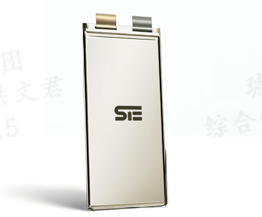
Skyward 300
High energy density hybrid solid-liquid electrolyte cell — the entry model of the series, balancing energy with sustained discharge and up to 1,200 cycles.
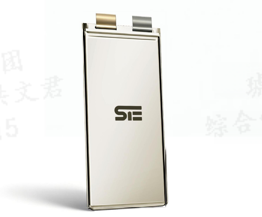
Skyward 320
High energy density hybrid solid-liquid electrolyte cell — higher energy density within the same 11mm footprint, still rated for 1,000 cycles.
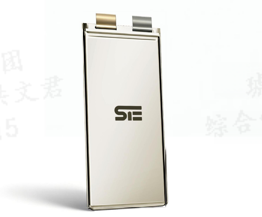
Skyward 350
High energy density hybrid solid-liquid electrolyte cell — the top of the series’ energy range, for airframes where single-sortie endurance is the top priority.
It depends on the specific cell model and cooling conditions. Share your load profile and we will return a feasible rate range with temperature rise estimates.
Common CAN and RS485 interfaces are supported; message definitions are agreed jointly at project kick-off.
More Applications
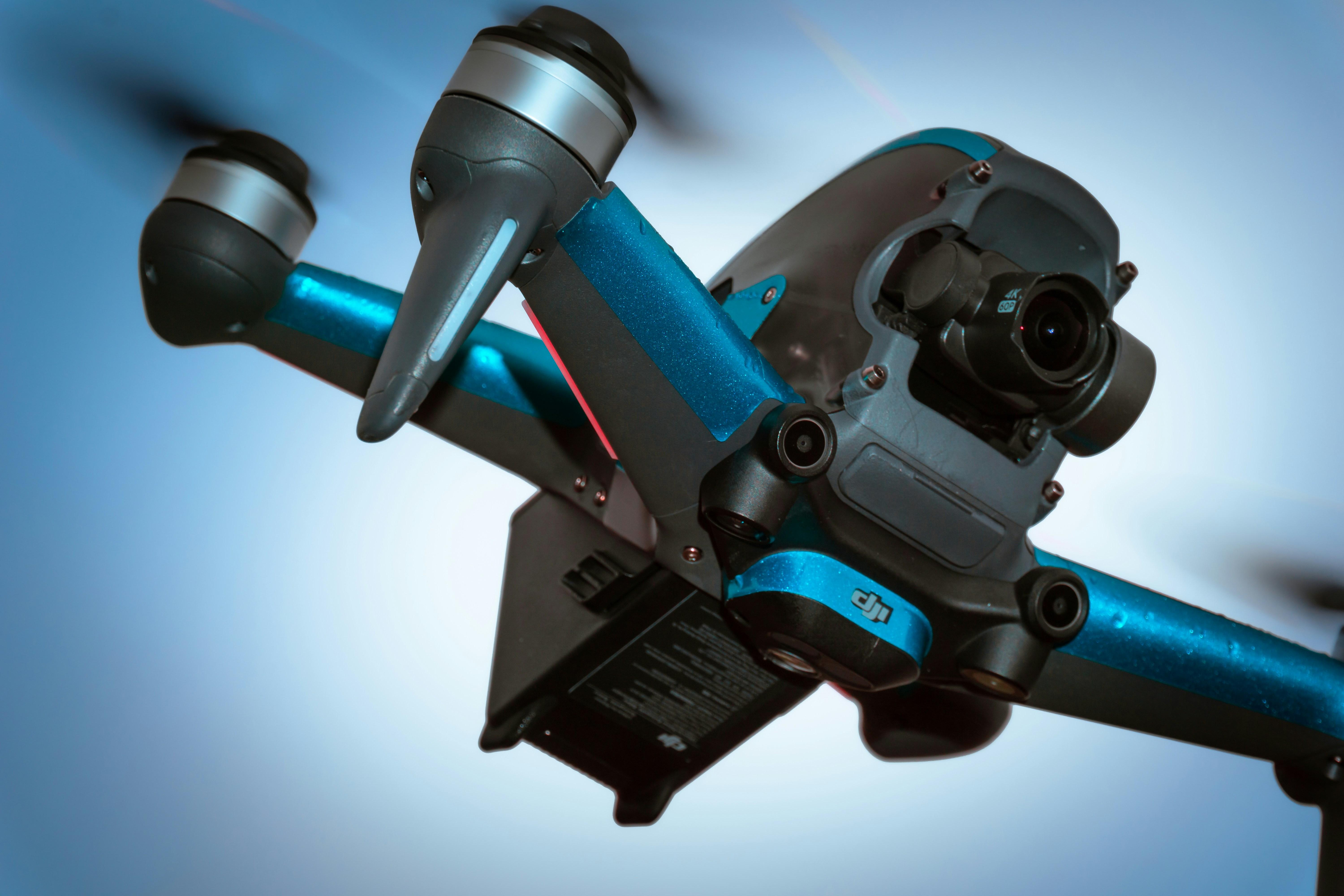
UAV
High energy density semi-solid-state cells and lightweight pack designs for industrial UAVs used in inspection, agriculture, logistics and emergency rescue, extending flight time at the same weight.

Mobility
High-safety long-cycle cells compliant with GB 43854-2024 for instant delivery fleets, shared mobility and high-speed e-motorcycles, balancing swap frequency against pack lifetime.

AIDC
Long-cycle, high-safety storage built on the RockSolid·Craft series for AI computing centre supply, large-model training backup and data centre energy storage.
Share your system weight, power profile and operating temperature range, and our engineers will return a sizing proposal with preliminary calculations within two working days.