01
Zoned redundant pack architecture
Multiple independent battery zones supply power, so a fault in one zone still leaves return capability.


Marine
Large-format cells with redundant safety design for electrified inland waterways and ports
587
Max cell capacity Ah
10,000+
Cycles at room temperature
LFP
Primary chemistry
Large-capacity cells and redundant pack architectures for inland cargo, port patrol and sightseeing vessels, built for long continuous operations in humid, salt-laden air.
The hard part of electrifying a vessel is not energy but reliability: losing propulsion mid-channel is far more serious than a car stalling on the road. Built on RockSolid·Craft large-format cells, the solution uses zoned grouping and redundancy so that the vessel retains return-to-port capability if a single module fails, with protection ratings hardened for humid and salt-laden environments.
We also advise on shore-charger power allocation, helping terminals schedule vessels within a limited shore supply.
Multiple independent battery zones supply power, so a fault in one zone still leaves return capability.
Enclosure protection and connector selection are specified for humid, salt-laden duty.
105/175/314/587Ah options can be combined according to route length and hull space.

Fixed routes with steady round-trip frequency make batteries a natural replacement for diesel.

Short trips and frequent berthing allow top-up charging in the gaps between runs.
Redundant zoning means a single point of failure no longer costs propulsion.
Replacing diesel engines makes environmental limits on rivers and scenic areas easier to meet.
Larger capacity reduces charging events and eases pressure on limited shore power.
Marine applications generally do, with requirements varying by vessel type and operating area. We provide cell-level test data and support customers through vessel-level certification.
Yes. Retrofit projects usually start with a hull survey, from which we propose zoning and weight distribution calculations.
More Applications
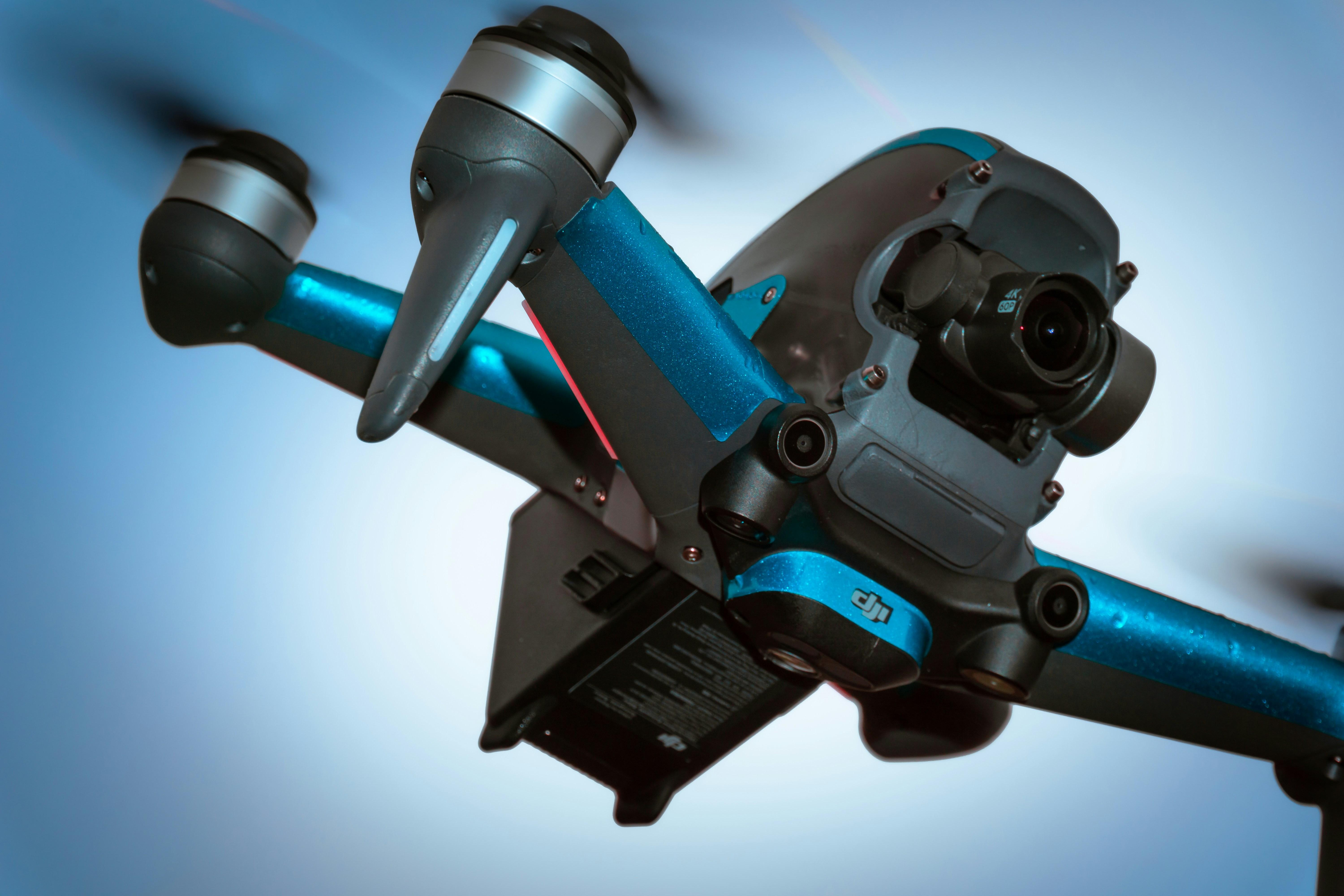
UAV
High energy density semi-solid-state cells and lightweight pack designs for industrial UAVs used in inspection, agriculture, logistics and emergency rescue, extending flight time at the same weight.

Robotics
Semi-solid-state high-rate cells and compact pack designs for humanoid robots, quadruped robots and intelligent equipment, balancing peak power against overall mass distribution.

Mobility
High-safety long-cycle cells compliant with GB 43854-2024 for instant delivery fleets, shared mobility and high-speed e-motorcycles, balancing swap frequency against pack lifetime.
Share your system weight, power profile and operating temperature range, and our engineers will return a sizing proposal with preliminary calculations within two working days.